Planning to Build in the Adelaide Hills?
Your Guide to Dwelling and Tourist Accommodation Development
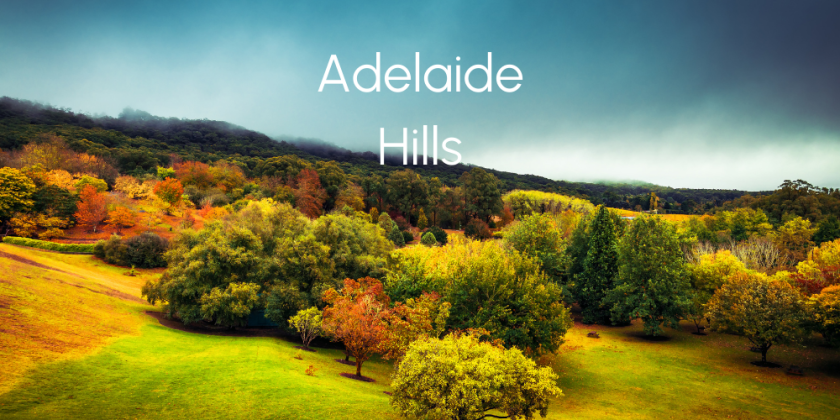
The Adelaide Hills is a picturesque region renowned for its leafy suburbs, rolling vineyards, and charming townships. Located just 30 minutes from Adelaide’s CBD, it offers a unique mix of rural tranquillity and modern convenience. With a vibrant community of around 40,000 residents, the region’s Planning and Design Code plays a vital role in preserving its natural beauty, character, and environmental values.
If you’re planning to build a new dwelling, second home, or tourist accommodation in the Adelaide Hills, understanding the zoning rules, overlays, and documentation requirements will help you prepare a strong development application and avoid costly delays.
Zoning in the Adelaide Hills Council Area
Productive Rural Landscape Zone
The Productive Rural Landscape Zone covers much of the Adelaide Hills Council area. Its purpose is to balance sustainable development with environmental protection, encouraging land uses that support primary production, tourism, and low intensity rural living. Only one dwelling is typically permitted per property, although a second dwelling may be considered for multi-generational farming families, provided setback and infrastructure standards are met. Land division is not supported in this zone unless you are realigning boundaries. Tourist accommodation linked to farming or agricultural activities may be approved if it is small scale, low impact, and between 100–150 square metres in floor area, depending on the site and surrounding context.
Rural Neighbourhood Zone
The Rural Neighbourhood Zone applies to the established townships and semi rural areas such as Crafers, Crafers West, Aldgate, Stirling, and Upper Sturt. It aims to maintain a spacious, rural residential character through larger allotments generally a minimum of 2,000 square metres with a 20 metre frontage. Subdivision is permitted if these minimum standards are met. Within the Adelaide Hills Sub Zone, there are additional opportunities for supported and tourist accommodation, which are otherwise restricted in the standard Rural Neighbourhood Zone. The focus of this zone is on preserving the natural and built character of the Hills while allowing for low density living and small scale accommodation uses.
Hill Face Zone
If your land is near to the City of Mitcham, Campbelltown, or Burnside, it could fall within the Hill Face Zone. This zone was created to protect the scenic backdrop, biodiversity, and natural landscapes of the Mount Lofty Ranges, while preventing the spread of suburban development into sensitive hillside areas. Land division is not permitted, and only single storey, low intensity development will typically be supported. Tourist accommodation may be allowed, but it must be small scale, low impact, and carefully integrated into the natural terrain so that it remains unobtrusive in the landscape. The Hill Face Zone is very restrictive, so caution must always be applied, even for what would generally be considered a simple development.
Overlays in the Adelaide Hills Council Area
Limited Land Division Overlay
The Limited Land Division Overlay covers most of the Adelaide Hills region and restricts further subdivision of rural and semi-rural land. Only limited locations and situations are exempt from this control. If your property is within this overlay, you should confirm its applicability before lodging any development proposal, as the restrictions can prevent costly redesigns or delays during the assessment process.
Mount Lofty Ranges Water Supply Catchment Overlay
The Mount Lofty Ranges Water Supply Catchment Overlay exists to protect Adelaide’s drinking water resources by maintaining or improving the quality of runoff within the region’s catchments. If your property lies within this overlay, your application must demonstrate that stormwater and wastewater will be managed effectively, that the development will minimise disturbance to natural features and topography, and that there will be no negative impact on water quality. Careful planning and environmentally responsible design are essential for achieving approval in these sensitive catchment areas.
Hazard (Bushfire – High or Medium Risk) Overlay
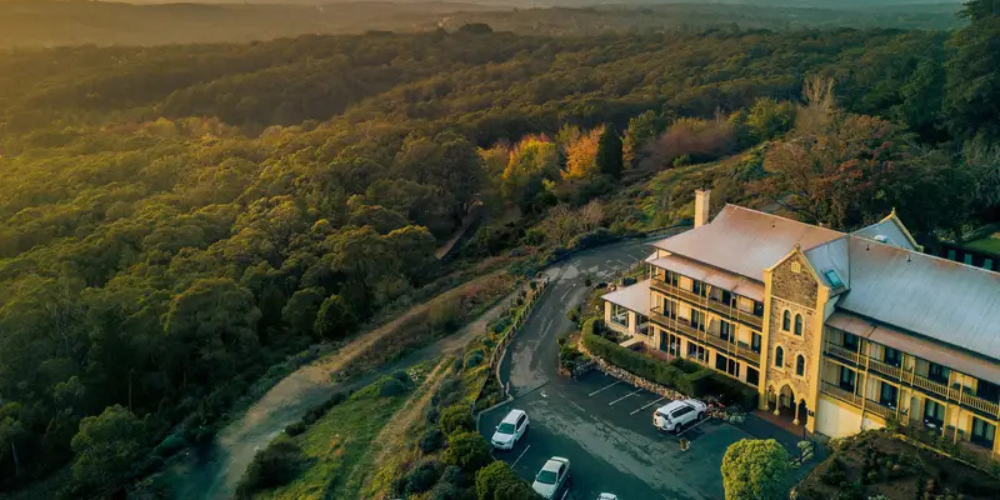
Most properties in the Adelaide Hills fall within a Bushfire Hazard Overlay, which highlights areas of high or medium bushfire risk. Development in these areas must prioritise bushfire safety in its design and layout. Dwellings should be located on flatter ground, away from steep slopes and heavily vegetated areas. An Asset Protection Zone (APZ) must be established as per the policies, and the design must comply with the Ministerial Building Standard MBS 008 for construction in bushfire-prone areas. Driveways and access routes should also be designed to allow easy access for firefighting vehicles. All applications in the High Risk Bushfire Overlay are referred to the Country Fire Service (CFS) for expert review.
Native Vegetation Overlay
If your development involves clearing or disturbing existing native vegetation, the Native Vegetation Overlay may apply. In such cases, a report will be required to assess the significance of vegetation on your site. Clearances classified as Level 3 or Level 4 must be referred to the Native Vegetation Council for approval. Preserving native vegetation where possible strengthens your planning application and helps maintain the Hills’ unique biodiversity and natural charm.
Regulated and Significant Tree Overlay
The Regulated and Significant Tree Overlay protects mature trees that contribute to the Adelaide Hills’ character and biodiversity. A regulated tree has a trunk circumference of 1 metre or more, measured 1 metre above ground, while a significant tree has a circumference of 2 metres or more. If these trees are on your site or within 20 metres of your development, you will need an arborist assessment to show that the design will not harm their roots or canopy. Retaining and integrating mature trees into your site design can enhance both the landscape and your application’s chances of approval.
Heritage Overlays
In some areas, properties are located within heritage overlays designed to protect historic buildings, character streetscapes, and culturally significant landscapes. Any development within these areas must respect the existing architectural style and scale of nearby structures. New buildings and extensions should complement, not overpower, heritage features. Engaging a heritage architect or planner early in the process can help ensure your design meets local heritage guidelines and avoids unnecessary delays during assessment.
Final Considerations
Because the Adelaide Hills region includes a wide mix of zones and overlays, development opportunities can vary greatly between properties. Land division is often restricted, and building design must respond carefully to environmental, heritage, and safety considerations. To support your application, you will typically need to provide site and floor plans, elevations, civil and drainage drawings, stormwater and wastewater management, finished floor levels, and level surveys.
Depending on the site’s constraints, you may also require input from professionals such as a licensed surveyor, civil engineer, arborist, or heritage consultant.
If you find the planning process complex or need help coordinating specialist reports, our planning team can assist. We offer end to end support from interpreting zoning and overlay requirements to preparing and lodging your planning consent application. With the right guidance, your proposed dwelling or tourist accommodation can meet the Adelaide Hills’ Planning and Design Code and achieve a successful outcome.
To follow along and find out more about planning issues, hear client stories or learn more about the development process make sure to read our online stories and follow any of our social media channels to stay updated. We are waiting for your call for assistance on any project requiring a planning and development consultant.